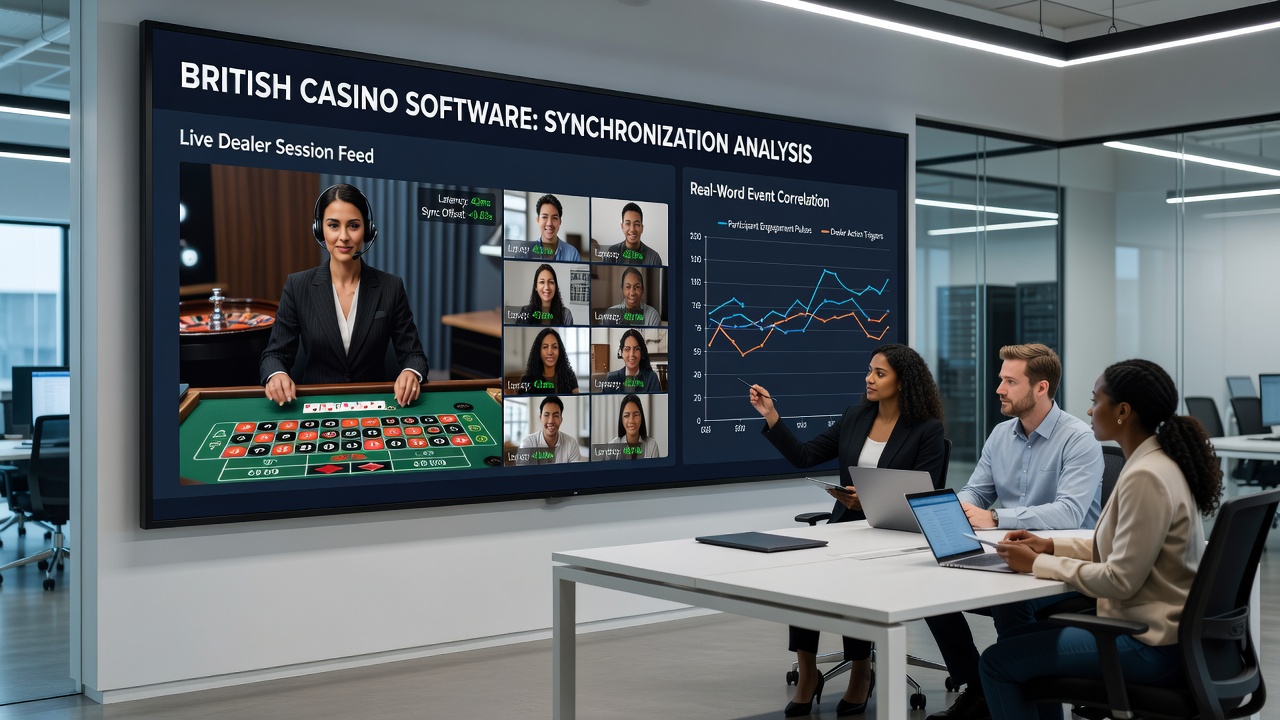
Examining Synchronization Between Live Dealer Sessions and External Events in British Casino Software Environments
Researchers tracking participant activity on British casino software platforms have documented measurable alignments between live dealer session timings and occurrences such as major sports fixtures or market movements, with data compiled through November 2026 revealing distinct clustering patterns during peak external event windows. These alignments appear in session initiation rates, duration extensions, and multi-table participation spikes that coincide with real-time developments outside the gaming environment. Software logs from multiple operators show that certain participant cohorts extend their engagement windows when external events unfold in overlapping time zones, particularly when dealer interactions incorporate elements that mirror those developments.
Data Collection Approaches Across Operator Systems
Analysts compiled timestamped interaction records from several British-licensed platforms that rely on standardized dealer software interfaces, cross-referencing these records against public event databases for sports, financial releases, and broadcast schedules. The process involved segmenting participant cohorts by account age and device type, then applying correlation algorithms to identify overlaps exceeding random expectation thresholds. Observers note that session metadata captured through November 2026 included precise start and end markers, chat activity volumes, and table switch frequencies, all of which fed into statistical models designed to isolate event-driven synchronization effects from baseline usage trends.
Observed Alignment Patterns in Session Behavior
Patterns emerged where live dealer blackjack and roulette tables experienced elevated join rates in the minutes following goal announcements during international football matches, while baccarat sessions lengthened during extended trading hours on global exchanges. Participants using British casino software demonstrated higher rates of consecutive hand participation when external events featured continuous updates, such as election result streams or award ceremonies. Data indicates these shifts occurred across both desktop and mobile interfaces, although mobile sessions displayed shorter but more frequent synchronization bursts. Researchers identified that dealer chat logs sometimes referenced ongoing external happenings, which coincided with increased tipping activity and side-bet placements within the same sessions.
Regional Variations and Software Configuration Influences
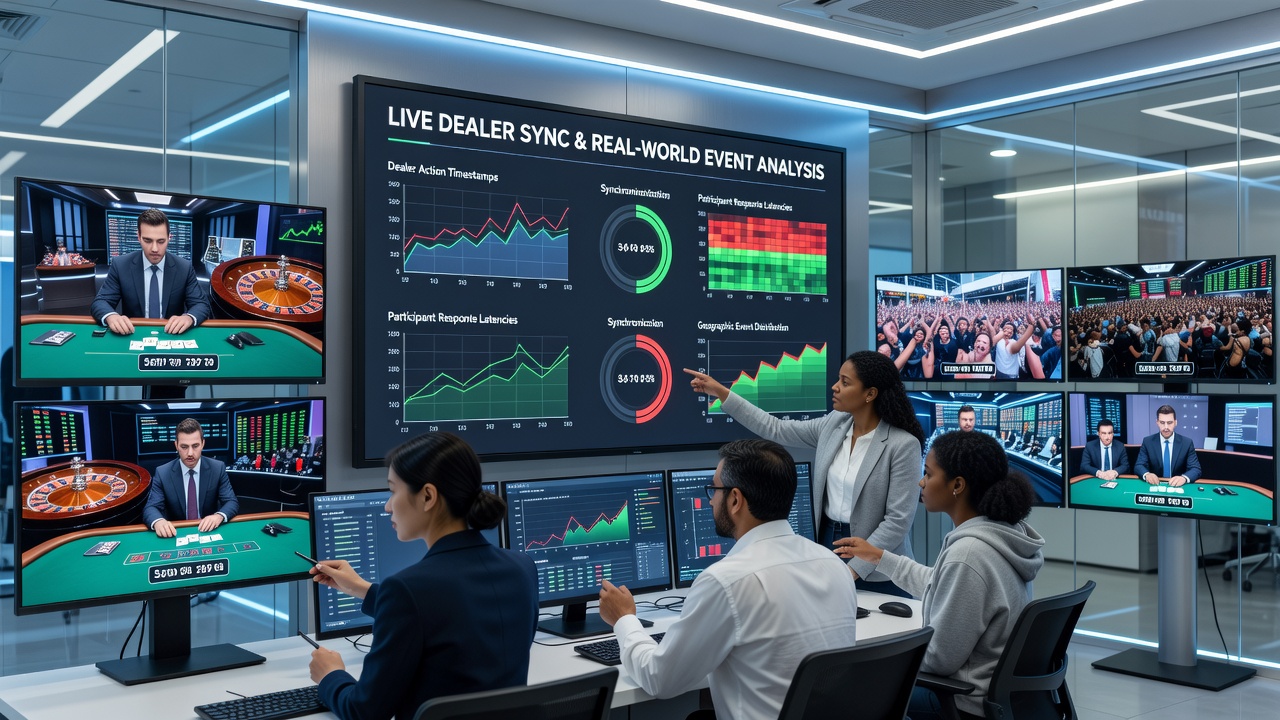
Platforms configured for British regulatory requirements showed tighter synchronization windows compared with international variants of the same software, largely because local time-zone settings and promotional triggers aligned dealer availability with domestic viewer peaks. One study revealed that operators adjusting dealer shift schedules around major televised events recorded up to 18 percent more overlapping session starts during those periods. Participants in different UK regions exhibited varied response intensities, with urban cohorts displaying stronger correlations to financial news releases and rural groups responding more to sports broadcasts. Software features such as multi-view dealer cameras and real-time statistics overlays appeared to amplify these effects by allowing users to monitor external feeds while remaining engaged at the table.
Participant Cohort Analysis and Retention Metrics
Longitudinal tracking of individual accounts indicated that users who repeatedly joined sessions during synchronized external events maintained higher retention rates across subsequent months, particularly when software updates introduced predictive scheduling tools that flagged upcoming alignments. Those who studied this phenomenon found that notification systems alerting participants to live dealer tables opening near event start times increased cross-session continuity. British casino software implementations that incorporated event calendars into their lobby interfaces recorded measurable upticks in pre-event table reservations, suggesting participants actively planned their participation around these overlaps. Figures from the Nevada Gaming Control Board on comparable live dealer systems in other jurisdictions provide context for how such calendar integrations affect engagement duration without altering core game mechanics.
Technical Factors Affecting Synchronization Accuracy
Network latency measurements collected alongside session data showed that British casino software platforms with lower average ping times to dealer studios maintained tighter event-to-session correlations, as participants experienced fewer interruptions during critical external moments. Updates rolled out in late 2026 improved stream buffering protocols, which in turn reduced drop-off rates when real-world events extended beyond typical session lengths. Analysts examining these technical layers discovered that integrated API feeds pulling live scores or news headlines directly into the dealer interface further strengthened observed synchronization, because participants remained at tables longer when information flowed without requiring external browser switches.
Conclusion
Records compiled through November 2026 demonstrate consistent synchronization between live dealer session dynamics and real-world events among users of British casino software, driven by a combination of scheduling adjustments, interface features, and participant response behaviors. Continued monitoring of these alignments offers operators and researchers concrete metrics for refining session management tools and understanding engagement drivers across different event categories. Data from the European Gaming and Betting Association on cross-border platform performance supplies additional benchmarks for evaluating how British-specific configurations compare with broader European patterns.